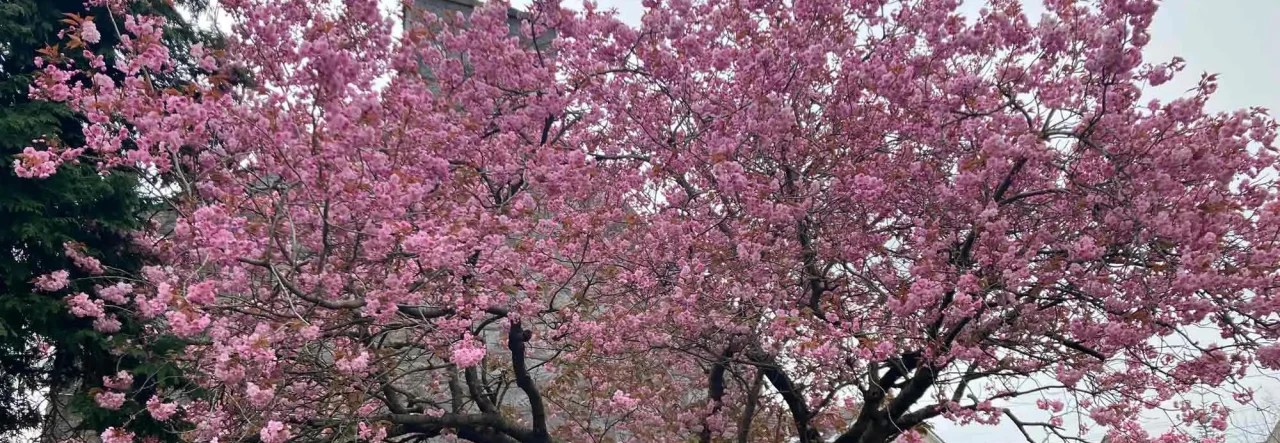
Prologue: The Broken Border
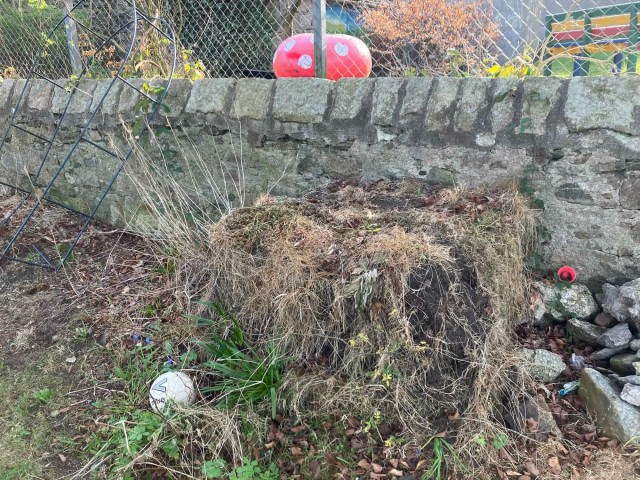
Every garden has its secret shame. Here, it was the back border — the stretch beneath the old stone wall that separates us from the local primary school. A wilderness, really. Brambles. A compost heap verging on sentience. Turf stacked like a geological layer. Even a football. Watching me. Always watching.
But now the clearing has begun. And so, begins this story: My Name is Red.
There are arches to be straightened, roots to be reckoned with, and scandal to manage (Agatha, it must be said, has an ASBO). But the plan is simple: to turn this forgotten fringe into a stage. Not just something planted, but something spoken.
The Philosophy: Planting with Narrative, Not Numbers
Most borders begin with a list. Mine began with a mood.
Plant lists and bloom calendars are useful, yes — but they’re costumes before the play is written. My Name is Red began with tone, with story, with emotional weather. The novel it borrows its name from is set in the Ottoman court of Murat III — a world of intrigue, faith, betrayal, and colour so saturated it hums. But the lens through which I see it is filtered through Delacroix, Gérôme, Flaubert — a French Orientalist fever dream of purples, reds and shadows, silk and sweat, splendour and decay.
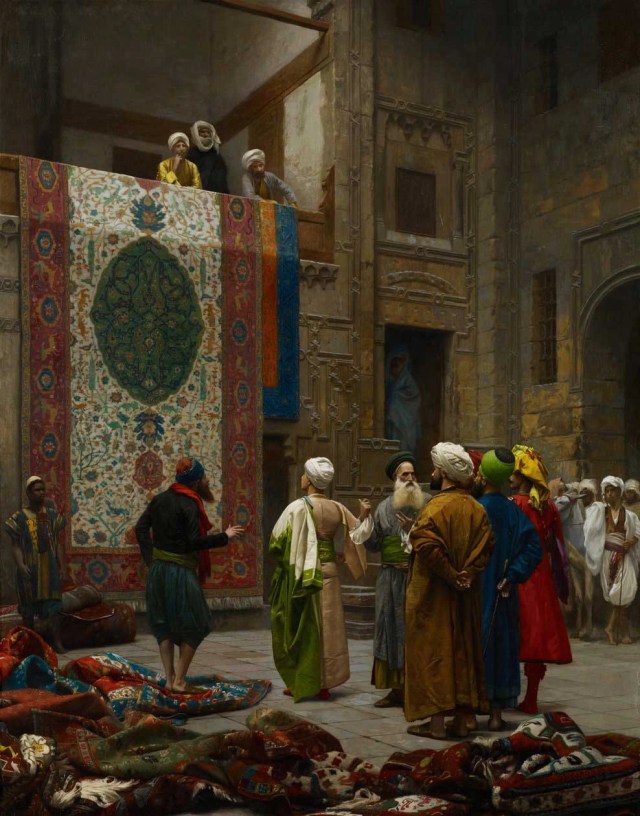
This is planting as staging. A border not planned but cast.

Before and After: The Ground Beneath the Curtain
Every performance needs a stage. And every stage, before it dazzles, must be swept of its ghosts.
The border now known as My Name is Red was, until recently, a quiet disgrace. A slumped, weedy embarrassment lurking beneath the old stone wall that separates us from the local primary school. There were brambles with ambition. Nettles with tenure. A turf pile that may pre-date the invention of composting as a concept. And the compost heap itself? Looming. Possibly self-aware. Definitely brooding.
There was also the football. It had not moved in five years. It bore witness.
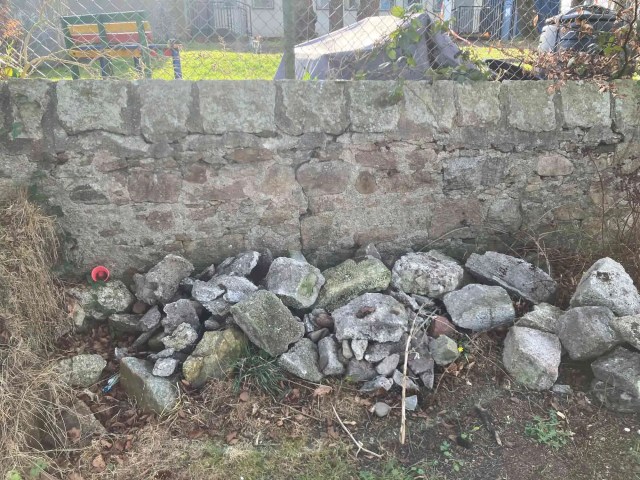
This wasn’t a border. It was a cautionary tale.
But one must begin somewhere and so began the clearing. Turf was lifted. Roots were reckoned with. Arches, long listing into absurdity, were straightened and anchored. A scandal erupted when Agatha, self-appointed site supervisor and Wire Fox Terrorist (sorry, Terrier), broke into the school grounds in a fit of overzealous border policing. She now holds the distinction of being the only canine in town with an ASBO.
Still, progress held. Slowly, the chaos began to thin.
The ground has been spoken to. Borders don’t begin with planting. They begin with removal.
Over a few weeks, the work was quiet but firm. Out came the dandelions, brambles, and other perennial weeds—chirpy, overfamiliar, and told repeatedly to go. Up came the roots of old intentions, now politely declined. A few forgotten labels emerged, blinking in the light like extras from a lost scene. They’ve not been offered a reprise.
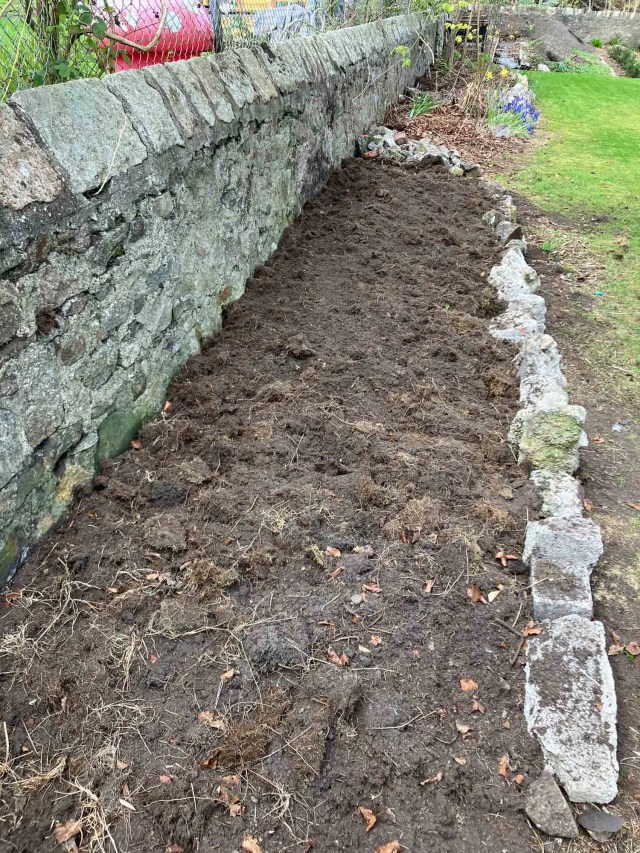
Then — deeper — a quiet seam of leaf mould. Cool, dark, unexpectedly civilised. Fungi in modest numbers were observed going about their business. They’ve been left alone. We are not savages.
The turf mounds, long piled and patient, have also been dismantled and spread. What was once a monument is now mulch. Quiet redistribution. No ceremony.
The final gesture before planting was structural, not botanical. At the front edge, where the soil threatened to slide forward into indignity, I built a retaining wall from reclaimed granite and rubble unearthed during the clearing. Each stone was laid not for perfection, but for personality. The result? A line of wonky, tilted fragments — like a set of crumbling teeth, too proud to get dentures. It looks as though it’s been there for eons. That’s the point. It anchors the performance in time.
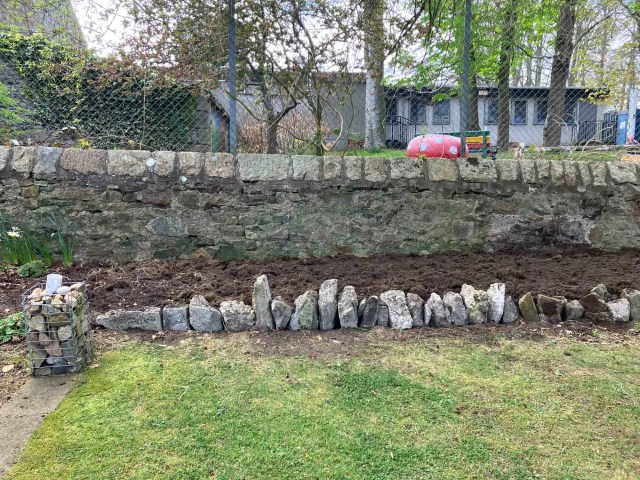
And finally, as an act of good faith, every last barrow-load of compost from last year’s heap was emptied into the soil. No hoarding. No sentiment. Just everything given.
The border has been fed. Thoroughly. Now it sits. Darker. Sharpened. Slightly expectant. It knows something’s coming. And it intends to be ready.
In time, the soil revealed itself — compacted, tired, but not beyond redemption. A trusted mentor once told me that discarded turf makes excellent loam if you wait long enough. I’ve always taken that as a metaphor for more than soil.
Layer by layer, the wilderness was tamed. Not erased, but shaped. This is not a garden for perfection. This is a theatre. And every theatre needs a rough floor beneath the velvet curtain. Now, it begins.
 THE CULTIVATED STAGE